
Services Catalog
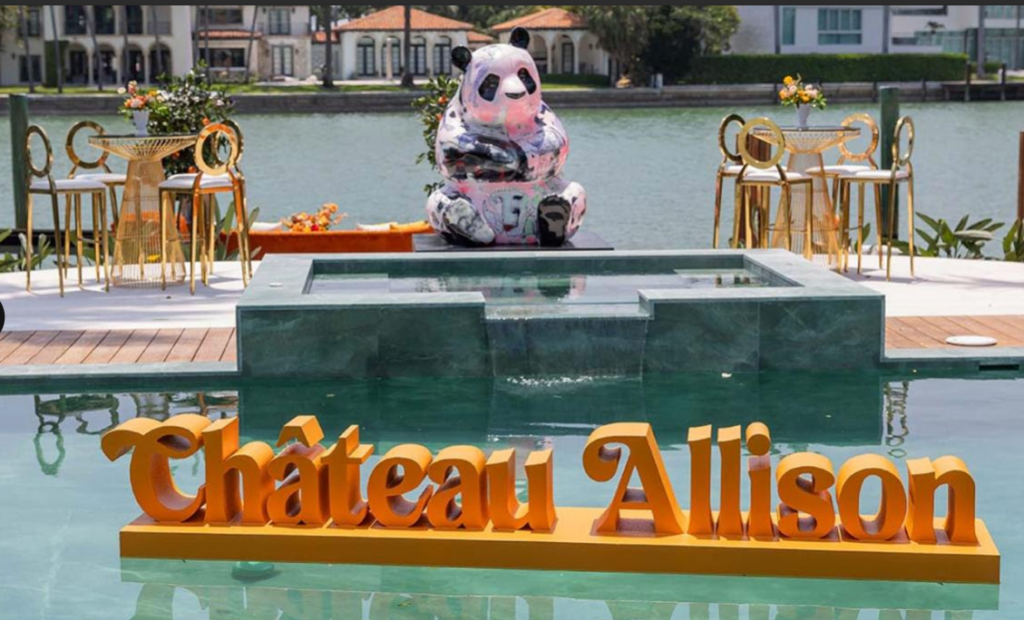
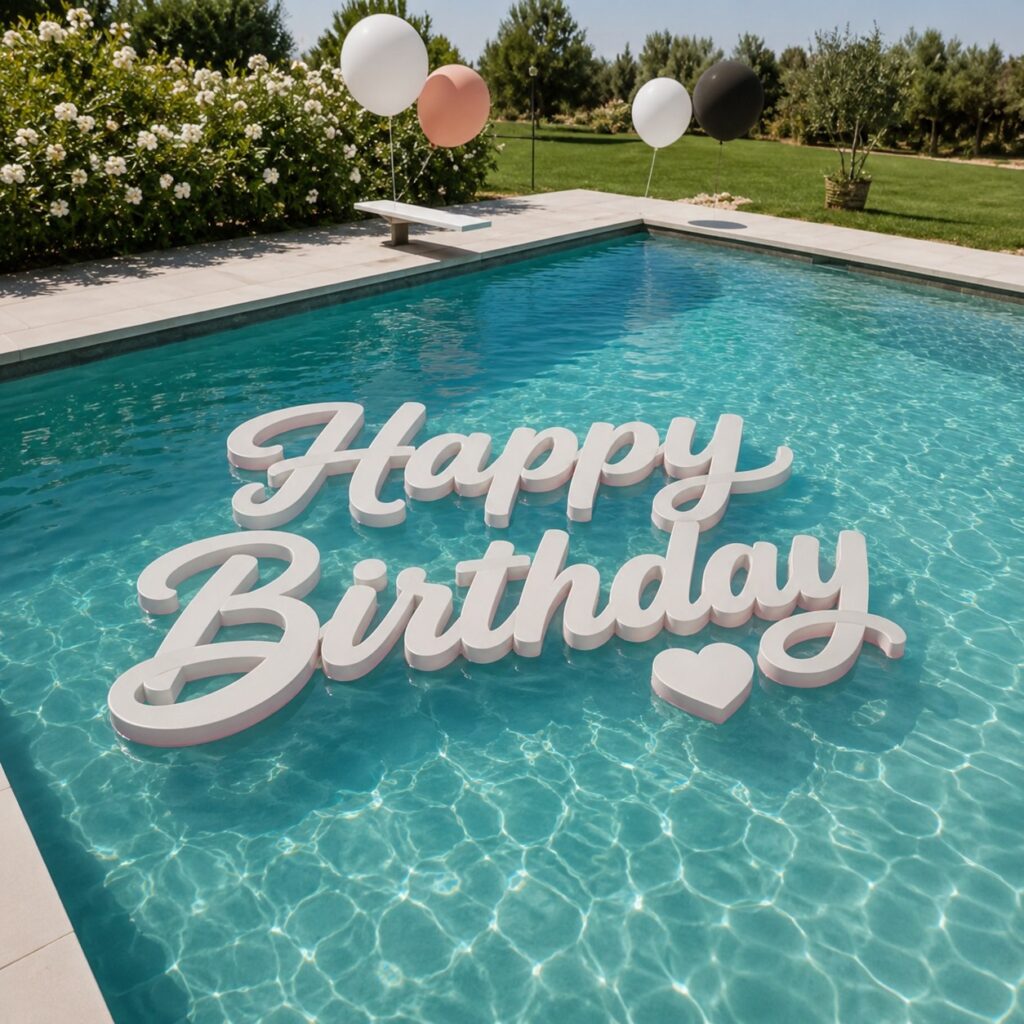
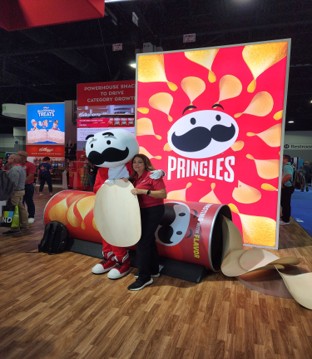
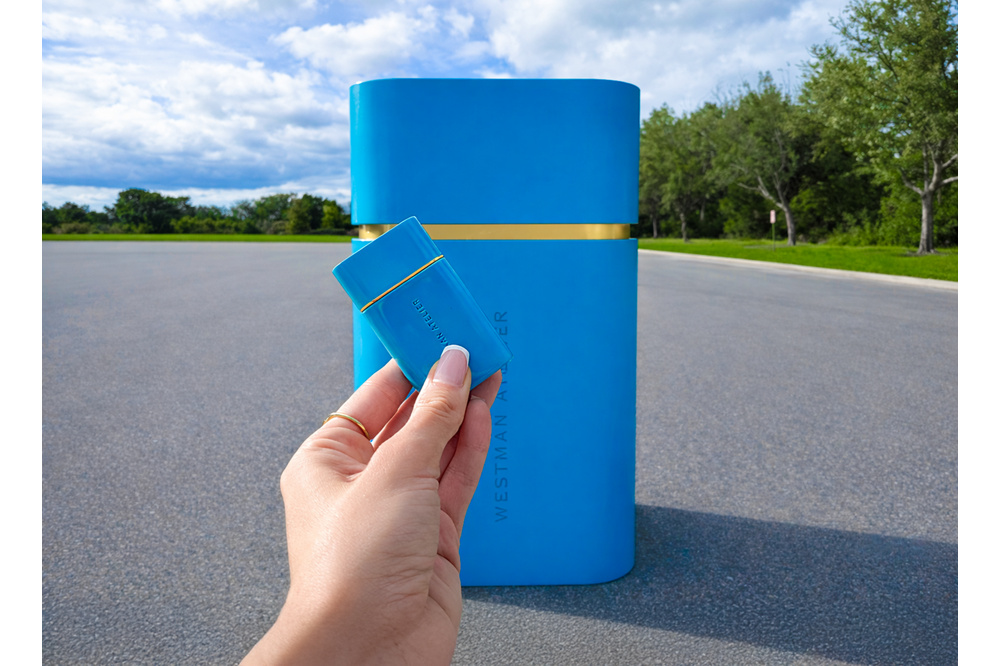
Explore our catalog — durable, weather-resistant, and custom-crafted to elevate your brand.

Frequently Asked Questions
Got questions? Contact us, we're here to help!
Contact usWhat is the primary material used to manufacture your architectural elements, and what makes them strong and resistant to mechanical and other external impacts?
Our architectural forms are made from high-density expanded polystyrene (EPS). This is the core material, and we reinforce our architectural elements with a specialized protective polyurea coating. This combination provides both a lightweight structure and high durability. As a result, we produce a product that can withstand demanding real-world conditions, including heavy loads, moisture, UV exposure, hurricane-force winds, and mechanical stress, while remaining lightweight.
How do you evaluate the durability of the coating you use to reinforce your architectural forms in real-world conditions, rather than in theory?
The polyurethane coating we use to protect our products from moisture, hurricane-force winds, UV exposure, and mechanical impact is backed by 20 years of our experience, not just laboratory testing. It truly ensures the stability of architectural forms in real-life applications, not in interior environments, but in exterior conditions with high humidity and strong winds. It is specifically designed for demanding regions such as Florida, where hurricane-force winds are common, and where our architectural elements are used in coastal and other challenging environments. That includes outdoor installations, retail spaces, and high-traffic areas.
Can your structures be used outdoors year-round, even in harsh climates?
Exactly. These materials are specifically designed for exterior applications. They do not absorb water, do not rot, and remain stable under temperature fluctuations. Their form is not compromised by prolonged exposure to rain or sunlight.
What can you say about the long-term quality of your products compared to traditional materials such as wood and concrete?
Architectural foam is a material that demonstrates excellent long-term performance compared to wood and concrete. Unlike wood, foam does not warp, dry out, change shape, or twist over time. Foam is a unique material. Unlike concrete, it does not crack, does not change its appearance, and remains stable for decades.
What about weight of foam?
Foam is up to 90% lighter than concrete, and approximately twice as light as wood.
What kind of surface finishes do you offer? Are they always smooth?
We create a wide range of surface finishes, including those that replicate metal, wood, and stone. We reproduce various textures and also produce ultra-modern, polished, high-gloss surfaces.
Do your architectural forms withstand prolonged UV exposure?
Yes, we use specialized UV-stabilized coatings – especially poliurea coating.
Are your products safe especially for use in public and commercial spaces?
They are designed for exteriors and interiors, including public spaces and commercial environments.
Get Started Now

8700+
